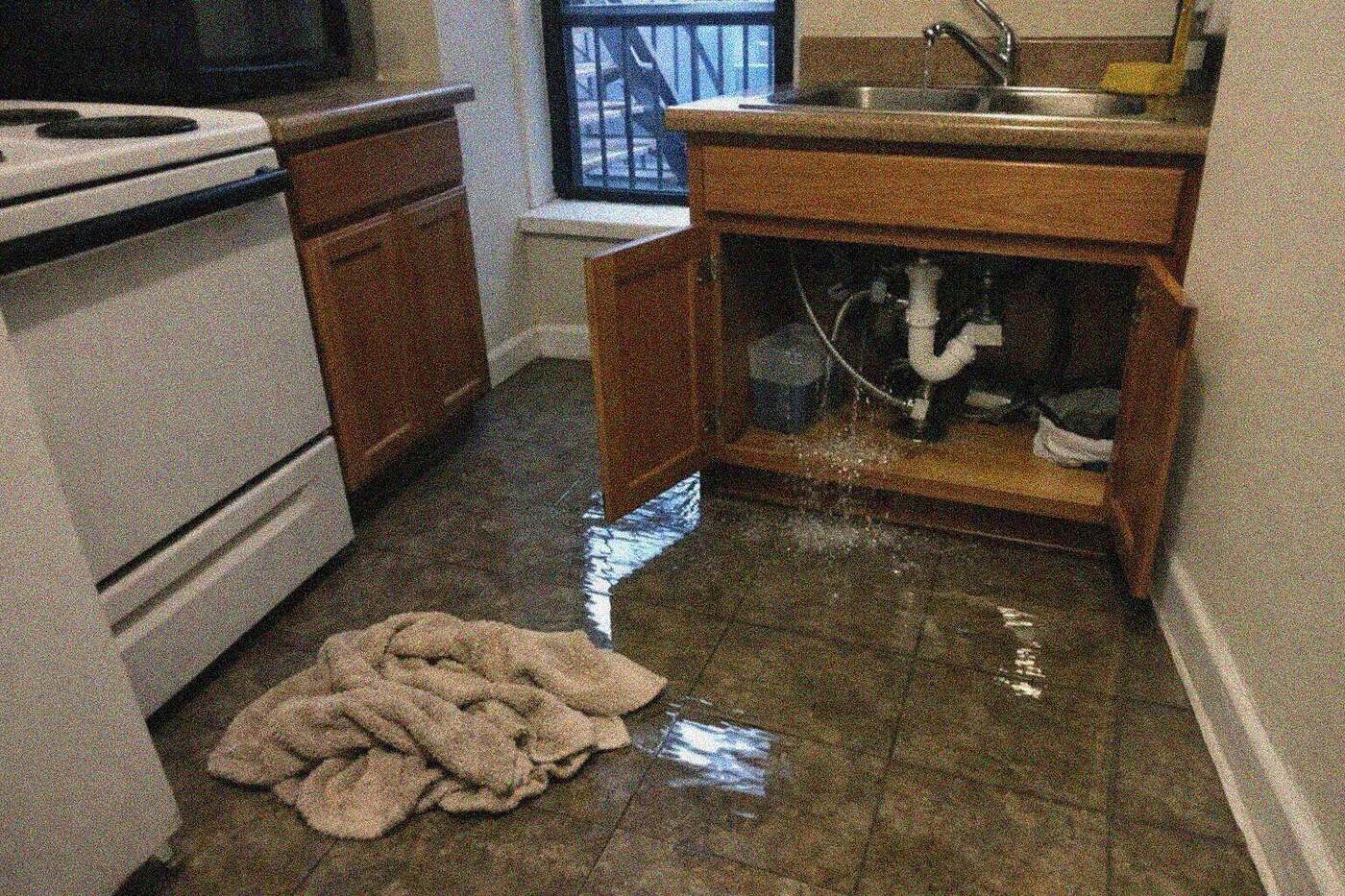
Emergency Water Extraction in New York City
Standing water removed from the apartment it started in and from every apartment it reached on the way down.
Emergency water extraction is the first physical step on any water damage job in New York: pumps and extractors pull the standing water out of the floor, the carpet pad and the low points of the apartment so that drying has a chance of working. In a city where 62 percent of homes sit in buildings of six or more units, according to the 2023 NYC Housing and Vacancy Survey, the apartment that needs extraction is very often the one below the leak, and the one below that.
The line is answered at any hour. Tell whoever picks up which floor the water started on, which floors it has reached, and whether the super has been able to shut the riser. That is enough to get an extraction crew moving with the right portable equipment for the building, and to start the conversation with management about access.
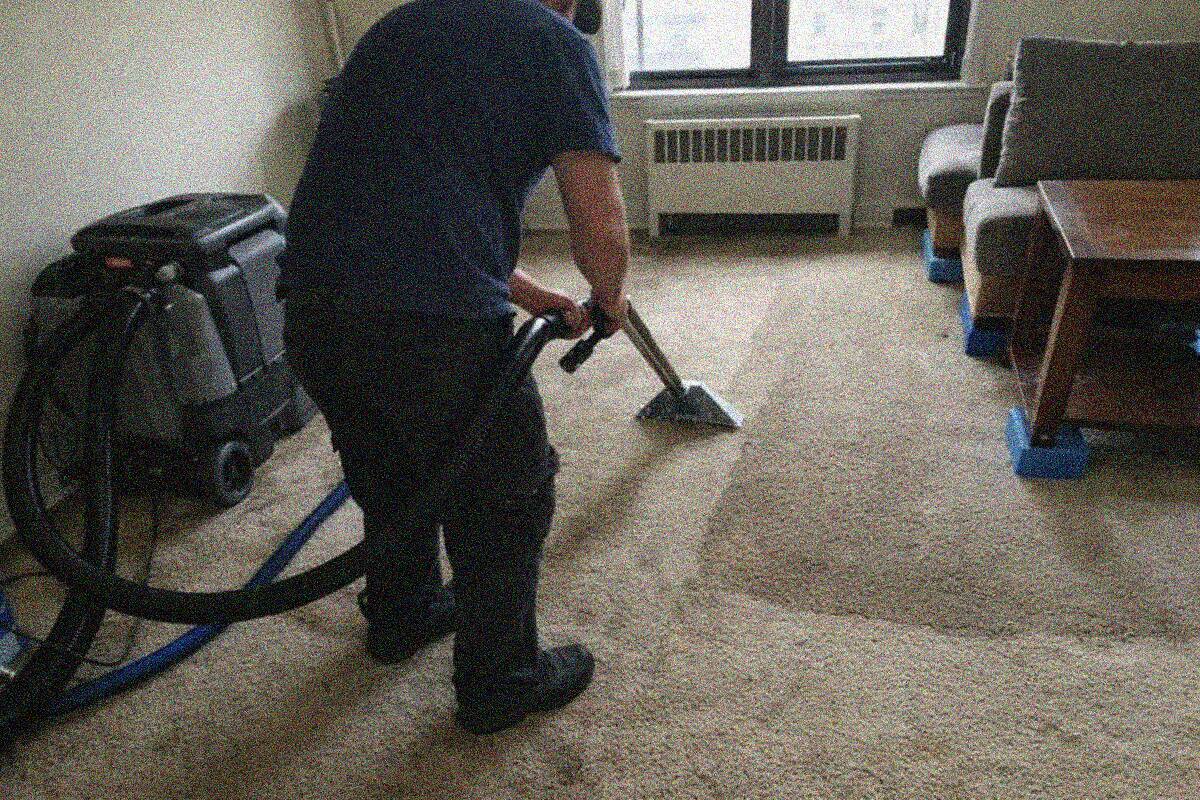
Why Water in an Apartment Building Travels Down the Line
In a multi-unit building, water from one apartment follows the same path the pipes do, straight down the riser stack into the kitchens or bathrooms stacked beneath it. A riser is the vertical supply or drain line that serves the same room on every floor, and the chase it runs through is the easiest route water can find. An overflowing tub on the ninth floor shows up first as a wet ceiling light on eight, then as a stain on seven, and by the time anyone on six notices, the water has been moving for an hour.
The people who feel this most are the residents in the line below the source. They did nothing to cause it, they have no valve to close, and they usually cannot get into the apartment above to see what is happening. A cascade through a pre-war line can wet five or six apartments from one failure. So an extraction call in New York is treated as a stack problem from the first phone call, with the crew checking every unit in the line below the source before deciding where the equipment goes.
Horizontal spread matters too. Water crosses under a doorway, runs along a floor joist and shows up in the neighboring apartment on the same floor, particularly in older buildings where the floors were leveled with a cement topping that has since cracked. The moisture meter tells that story better than a visual inspection does, which is why a reading is taken along the shared walls as well as under the obvious wet patch.
If You Are the Downstairs Neighbor
You can call for extraction of your own apartment without waiting for the person upstairs to act.
The water in your ceiling and on your floor is damaging your property, and the fact that it started somewhere else does not change what needs to happen to it. Call the super first so the building can get the source shut off, then photograph everything: the ceiling, the floor, the furniture, the time on your phone. Move what you can lift out from under the wet area and put a bucket under any drip. If the ceiling is bulging, stay out from under it, because a plaster ceiling holding a bath-load of water comes down all at once.
Who pays is a separate question from who acts. In a rental, the landlord owes you a habitable apartment and has to repair it whatever the cause. In a co-op, the building repairs the structure first and chases the responsible shareholder afterwards. In a condo, the declaration says where your unit ends. Your own HO-4 renters policy or HO-6 co-op or condo policy is the usual first stop for your belongings and your finishes, and the carriers sort out subrogation between themselves. None of that has to be settled before the water comes out.
What does help you later is a record of the wet extent in your apartment on the day it happened. The crew that attends takes moisture readings on the ceiling, the walls and the floor and writes them down, so the boundary of the damage exists on paper before it dries and disappears.
Shutting the Riser: the Super Holds the Key
Most New York apartments have no shut-off valve of their own for the whole unit, only the small stops under the sink or behind the toilet, so a burst supply line or a failed radiator valve keeps running until someone closes the riser valve. In a pre-war building that valve is usually in the cellar, sometimes on the roof for a gravity tank feed, and sometimes on the floor above the leak in a wet-wall access panel. The super knows where it is and has the key to the room it sits in, which is why the super is the first call on any active leak.
Closing a riser cuts water to every apartment on that line, so the super will want to know the leak is real before shutting it. Show them the water. If the super cannot be reached, the building management office is next, and if the water is coming from a main rather than a branch, the building may need a NYC Licensed Master Plumber to isolate it safely. The extraction crew works around all of this: they can begin pulling water while the source is still being located, because every gallon taken off the floor is a gallon that stops soaking into the ceiling below.
Where the leak is inside a wall or ceiling and the source is unclear, a moisture meter and thermal camera trace the wet path back up the line. That step often ends the debate about which apartment the water came from, which saves days of argument between neighbors and management.
Portable Extractors in Walk-Ups and Elevator Buildings
A truck-mounted extractor cannot reach a fifth-floor walk-up in Washington Heights or a 30th-floor apartment in Midtown, so extraction in New York runs on portable equipment carried in by hand. A portable extractor with a recovery tank and a weighted wand pulls water off hard floors and out of carpet pad, and it is small enough to come up a stairwell or ride a passenger elevator when the freight car is locked for the night. On a large loss the crew brings several units and empties them into a tub or a floor drain as they fill.
The trade-off is speed. A truck mount moves water faster than any portable can, so a New York extraction on a big floor takes more passes and more hands than the same square footage would in a suburban house with a driveway. This is why the crew size on a Manhattan cascade is larger than the square footage alone suggests, and why the cost section below treats floor level and elevator access as real drivers.
The sequence on site is the same regardless of the building: cut power to any circuit the water has reached, pull the standing water from the lowest point first, work back toward the door, then go over carpet and pad with a weighted head to get the water that a surface pass leaves behind. Rugs come up and go out for drying or disposal. Baseboard is pulled where the meter shows water behind it so the wall base can breathe.
- Hard floors: squeegee wand and portable extractor, then a moisture reading through the finish to check for water trapped underneath
- Carpet over pad: weighted extraction to compress the pad, with the pad usually removed if the water sat for more than a day
- Parquet and strip hardwood: surface extraction only, then the drying mats covered on the hardwood floor drying page
- Under kitchen cabinets and vanities: the toe kick comes off so the wand and the airflow can reach the cavity
- Contaminated water from a drain, a toilet or the street: self-contained recovery and the Category 3 rules on the sewage backup page
Drying Starts the Same Day the Water Comes Out
Extraction on its own leaves a floor that looks dry and a building that is still wet, because plaster, wood subfloor and the ceiling assembly below have all taken on water that no wand can reach. Air movers and a dehumidifier go in on the same visit, sized to the room, and the readings from the first day become the baseline the crew measures against until the material reads dry.
The video below is from the manufacturer of the drying equipment most restoration crews carry and explains how air movers are placed and why the angle matters. It is worth two minutes if you want to understand what the machines in your hallway are doing.

Video: Legend Brands, the manufacturer of Dri-Eaz drying equipment, on how air movers are placed and why.
Getting Equipment Into a New York Building
Doorman buildings, co-op boards and management companies want a certificate of insurance on file before any equipment moves in.
The certificate of insurance, or COI, names the building and its managing agent as additional insured on the contractor's general liability and workers' compensation policies. Management usually also asks for a list of the equipment coming in and a short written access plan saying which apartments the crew needs to enter and when. On an emergency the contractor we dispatch sends the COI to management by email from the road, and most agents will let the crew start on the strength of that while the paperwork is finalized.
Freight elevators in larger buildings keep hours, commonly weekdays until late afternoon, and after that the passenger elevator is the only route unless the super agrees to run the freight car. Air movers and dehumidifiers fit in a passenger car; the crew pads the walls and floor of the cab and the lobby route. In a walk-up everything comes up the stairs by hand, and the crew works out with the super where the hoses can drain, which is often a slop sink on the landing or a tub in the affected apartment.
Alternate-side parking and loading zones decide how close the van can get and how long it can stay. The crew unloads in one pass and moves the vehicle, so there is a window of an hour or so where the equipment sits in the lobby. Tell the super it is coming, and the whole thing goes faster.
What Drives the Cost of Emergency Extraction in NYC
Published 2026 national cost surveys from Angi and HomeGuide put water mitigation between $3.75 and $7.50 per square foot, and New York sits at or above the top of that range.
Within the range, clean water from a supply line or a tub sits at the low end, gray water from a washing machine or a dishwasher in the middle, and contaminated water at the top with its own removal rules. Extraction is the first line of the mitigation figure; drying days, demolition and disposal are the rest of it, and reconstruction is a separate figure on top.
In a New York apartment building, the drivers that push a job above the national top end are physical. Floor level and elevator access decide how many hands carry the equipment. The number of apartments in the line decides how many rooms are extracted and dried. Pre-war plaster on lath holds more water than drywall and takes longer to dry. A cascade that ran overnight before anyone noticed has soaked deeper than one caught in an hour, and a job in a doorman building carries a COI and access-plan step that a row house does not.
Whoever attends the property writes a scope before opening anything, with the affected square footage, the equipment count and the expected drying days set out by unit. That scope is the thing to read before signing, and it is the document your insurer will want alongside the moisture log.
Signs the Water Has Reached Your Apartment From Above
Water from an upstairs leak announces itself in a handful of ways, and every one of them means a phone call today.
A drip from a ceiling light or a smoke detector
Fixtures are the low points of a ceiling, and water pooling in the assembly finds the wire hole first. Switch the circuit off at the panel and put a bucket under it.
A bulge or sag in a plaster ceiling
Plaster on lath holds water the way a canvas sling would. A bulge means there is a reservoir above it. Stay out from under it and do not press on it.
A brown ring that grows while you watch
A stain that changes size over an afternoon has an active source. A stain that stays the same size may be old, though the meter decides that.
Parquet blocks lifting or cupping
Pre-war oak parquet takes water from below and lifts at the edges. Caught the same day it can often be dried flat; left a week it usually cannot.
A wet patch on a shared wall with no plumbing behind it
Water traveling across a floor from next door shows up at the base of the party wall. The neighbor may not know yet.
A musty smell in a closet or behind a kitchen cabinet
Water that reached a cavity days ago and was never extracted announces itself by smell. The US EPA puts mold growth at 24 to 48 hours on wet material.
How an Extraction Call Runs in New York
The call and the stack
Whoever answers asks which apartment the water started in, which floors it has reached and whether the riser is shut. If the super has not been reached, that is the first thing to do while the crew is dispatched.
COI to management
The contractor we dispatch sends the certificate of insurance and an equipment list to the managing agent or the board so the doorman and the super can let the crew in.
Power off, water out
Circuits the water has reached are switched off at the panel. Portable extractors pull the standing water from the lowest point of each affected apartment, working back to the door.
Readings in every unit in the line
Moisture readings are taken on the ceiling, walls and floor of each apartment below the source, whether or not it looks wet, and written into a log with the date.
Drying equipment placed and the scope written
Air movers and dehumidifiers go in the same visit, and a written scope with the affected square footage and expected drying days by unit goes to you and to management.
Water in the Apartment Right Now?
Tell us what has happened and where, and we will get the response moving. If water is still coming in, find the shutoff or call the super first.
The phone is picked up 24 hours a day, seven days a week, on every holiday in the year.
Why New Yorkers Call This Number
Every Apartment in the Line Gets a Reading
A riser cascade in a pre-war building wets the units below in a column, and the ones that look dry today are the ones that grow mold next month. The crew meters every apartment below the source, and the log lists them all.
Licensed Contractors on Every Job We Route
The contractors we dispatch hold the NYC DCWP Home Improvement Contractor license for work on one- and two-family homes and are EPA Lead-Safe Certified for the pre-1978 paint that covers more than half of the city's housing. Any plumbing repair goes to a NYC Licensed Master Plumber.
A Written Scope Before Any Wall Opens
You see the affected square footage, the equipment count and the expected drying days on paper before demolition, and the daily moisture readings after. That is also what your carrier and the building's carrier will want.
A typical extraction call on the Upper West Side
The situation: a supply line to a washing machine lets go in a ninth-floor apartment of a pre-war building on a side street off Broadway while the household is away for the weekend. The doorman gets the first complaint from the eighth floor on Sunday morning, and by the time the super has the riser shut, water has reached the kitchens on seven, six and five.
What gets done: the contractor we dispatch emails the certificate of insurance to the managing agent from the van, and the super runs the freight car. Portable extractors clear the ninth-floor kitchen and hallway, then the eighth-floor kitchen where the ceiling has already dropped a section of plaster. Moisture readings are taken in every kitchen down to the fourth floor. Air movers and dehumidifiers go into five apartments, and the scope goes to the board that evening with the affected footage by unit.
The result: four of the five kitchens dry in place over the following week on daily readings, the eighth-floor ceiling is scheduled for plaster repair once the joists read dry, and the board has a single log covering the whole line to hand to the building's carrier and to the ninth-floor shareholder's HO-6 insurer.
Before you let anyone open a wall
A short checklist for hiring a water damage contractor in New York City: the licenses to look up, the warning signs, and the four documents to ask for on any job.
Questions New Yorkers Ask
How fast can someone get here?
The phone is answered 24 hours a day, every day of the year, and the dispatch starts on the call. Arrival depends on where the building is, the time of day and the traffic between the crew and you, so nobody will promise a clock time. What you can do in the meantime is get the super to shut the riser, switch off the wet circuits and move what you can out of the water.
The water came from the apartment upstairs. Can I still call?
Yes. The water on your floor and in your ceiling is damaging your apartment now, and extraction of your unit does not depend on the upstairs neighbor agreeing to anything. Who pays is worked out afterwards between the landlord, the board and the carriers, and the moisture log from your apartment is what that conversation will use.
Do I need the super to be there?
It helps a great deal. The super knows where the riser valve is, holds the keys to the cellar and the freight elevator, and can let the crew into a vacant apartment in the line. If the super is off duty, the management office or the board can usually reach whoever is covering.
Can a shop vacuum do the job?
For a puddle on tile that you caught in the first few minutes, a wet vacuum is fine. It cannot pull water out of carpet pad, out from under a floor finish or out of a plaster ceiling, and on water that came through a drain it spreads bacteria around the room. Once water has reached the pad, the subfloor or the ceiling below, the job needs a weighted extractor and drying equipment.
What happens to my rugs and furniture?
Rugs come up and go out for drying or disposal depending on the water category. Furniture is moved off the wet floor, put on blocks or foam so it stops wicking, and anything that has to leave the apartment is photographed and listed before it goes down the elevator. The contents pack-out page covers storage.
Will the building's insurance or mine pay for the extraction?
In most New York buildings the master policy covers the structure and common elements, and residents are told to file first on their own HO-4 or HO-6 policy and let the carriers subrogate. Which one pays for which part depends on the cause, the lease or declaration, and the policies themselves. The scope and the moisture log are written so either carrier can use them.
Related Services
Water Damage Restoration
The whole job for New York apartments, co-ops and houses, from the first extraction pass to the last coat of paint.
Read more →Structural Drying and Dehumidification
Air movers and dehumidifiers sized to the room, with readings taken daily until the plaster and joists are dry.
Read more →Ceiling Leak Water Damage
The stain that came from the apartment upstairs, and the plaster ceiling that is starting to sag under it.
Read more →All 14 services are listed on the services page. How the process runs end to end is on the home page, and the about page explains what to expect from whoever attends.