Water Damage Restoration in Queens
Basement apartments, semi-detached houses and street drains that give up in a cloudburst, with the tenant downstairs kept in mind.
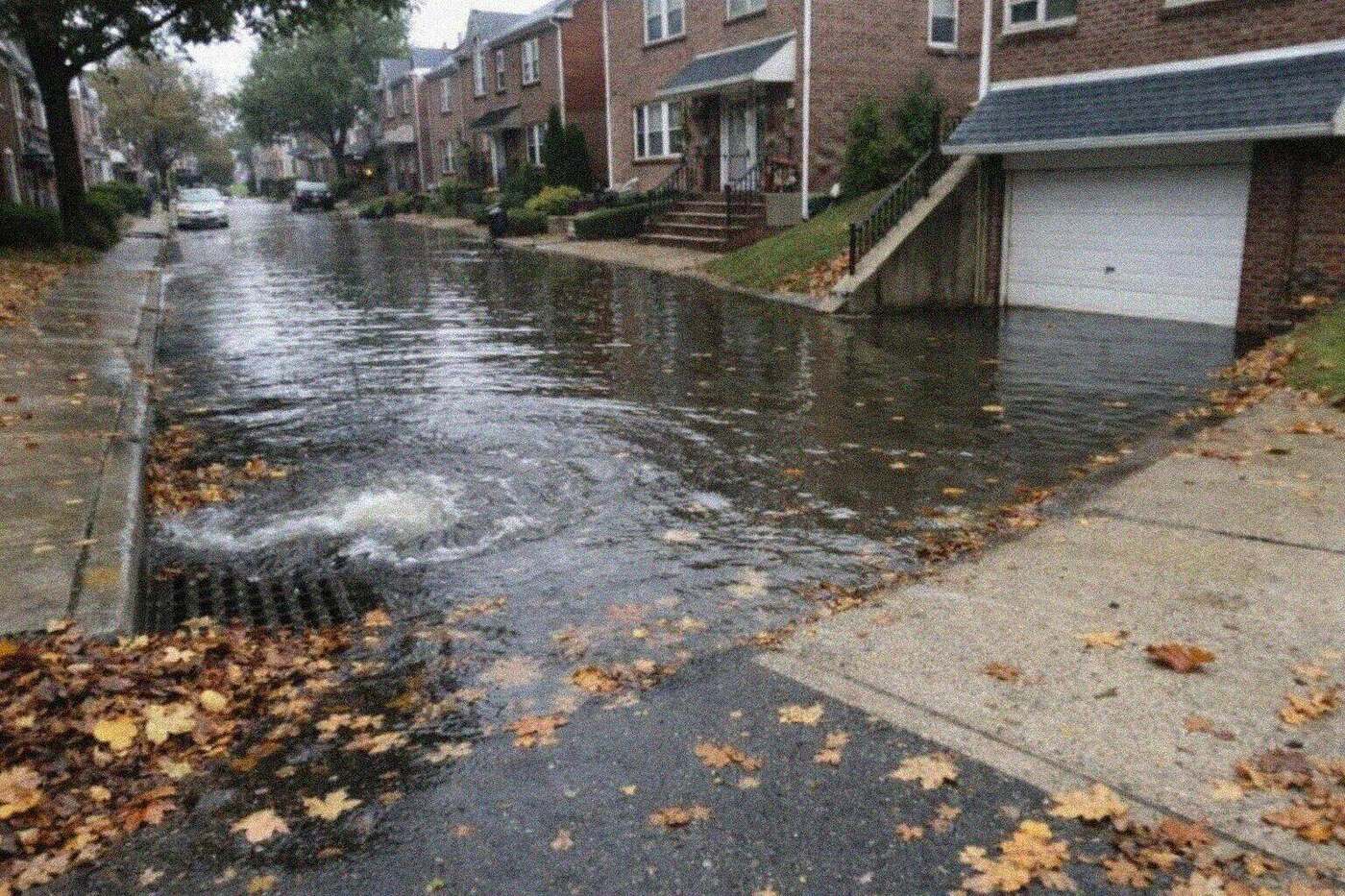
Water damage restoration in Queens is a job about houses with people living below the street. The borough's stock is semi-detached and attached one- and two-family houses on small lots, many with a basement that has been finished as a rental apartment, legally or otherwise, and the street drains that serve those blocks were built for far less rain than now falls on them. When the remnants of Hurricane Ida dropped 3.47 inches in a single hour on the night of 1 September 2021, against a sewer system designed for 1.75 inches an hour, 14 New Yorkers died, 10 of them by drowning in basement apartments, most of those in Queens, according to the NYC Department of Health's flooding data story.
That history sits behind every Queens call we take. When water is in a basement apartment, the first question is whether anyone is still down there and whether the power is off, and the second is where the water came from, because a flooded basement in Flushing after a storm is a different job from a burst supply line in a Jackson Heights co-op. We get those answers on the phone so the contractor arrives ready for the right one.
What Changes About Water Damage in Queens
Queens water damage is a below-grade problem more than anywhere else in the city. The Comptroller's 2022 report on basement apartments estimates that between 300,000 and 500,000 New Yorkers may live in basement or cellar units, most of them in the one- to three-family houses that make up Queens neighborhoods like Flushing, Elmhurst, Corona, Jamaica, Hollis, Richmond Hill and Springfield Gardens. Those apartments are entered by an exterior stair or a side door at grade, sit below the level of the street drain, and are the first thing to fill when the block floods.
The way the water arrives is mostly from above ground. A cloudburst overwhelms the catch basins, the street becomes a channel, and the water runs down driveways and exterior stairs into the lowest opening it finds. The city's stormwater flood map models a moderate event at 2.13 inches an hour and an extreme one at 3.66 inches, and neighborhoods built on old marsh and filled streambeds, which is much of central and southeastern Queens, drain slowest. FEMA approved $173.3 million in Individual Assistance to about 36,000 New Yorkers within three months of Ida, per the agency's own release, and a great many of those households were in these Queens neighborhoods.
The coastal edge is a separate exposure. The Rockaway peninsula, Broad Channel, Howard Beach and Hamilton Beach face Jamaica Bay and the ocean, and Sandy put surge water through houses there in 2012. A FEMA count of National Flood Insurance Program claims puts Queens at 14,917 claims on record, second only to Staten Island, with 308 of those in 2021 alone, the Ida year. Flood insurance claims and homeowner claims run on separate policies, and the contractor we dispatch documents the loss in a way that works for either.
The houses themselves are a mix that runs from 1920s brick rows in Ridgewood and Astoria to post-war capes and colonials in Bayside and Bellerose, plus the big co-op and rental complexes along Queens Boulevard and in Forest Hills, Rego Park and Jackson Heights. In a semi-detached house the party wall is shared, so a flooded basement on one side wets the other, and the two owners need to agree on drying access. In the co-ops and garden apartment complexes the responsibility rules follow the proprietary lease and the building's master policy, the same as in Manhattan.
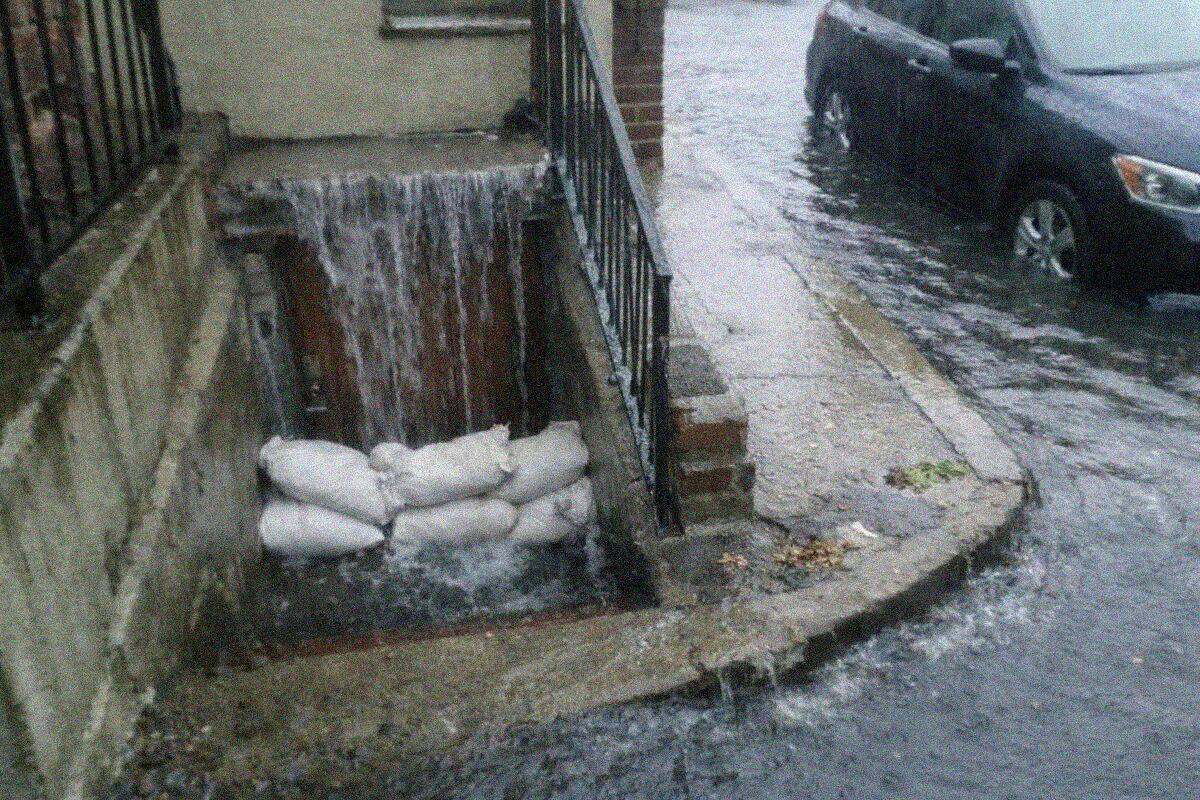
A basement apartment that has flooded needs a decision on what happens to the tenant as well as to the finishes. Wet carpet, swollen laminate, framed walls against the foundation and a mattress on the floor are all porous, and if the water carried sewage or street runoff the IICRC S500 standard treats it as Category 3, which means those materials come out. The contractor writes that scope down before demolition, photographs and lists the tenant's belongings before anything goes to storage, and gives the owner a moisture log that shows when the space is dry. Where the unit was never legalized, the owner also has a conversation to have with a professional about the city's basement conversion program, which is beyond what a restoration contractor can decide.
Water Damage in Queens?
Give us the cross streets and what the water came from. If it is still running, the shutoff or the super comes first, then the call.
The phone is picked up 24 hours a day, seven days a week, on every holiday in the year.
The Work Itself in Queens
The sequence does not change from borough to borough. The wet area is mapped, standing water is extracted, whatever cannot be dried is removed, and the structure is dried against readings before anyone rebuilds. What changes in Queens is what the first visit tends to find, which is what the section above covers. The full process is set out on the water damage restoration page.
The services most often needed alongside it in Queens:
- Basement and Cellar Flooding: Queens has more people living below grade than any other borough
- Storm and Flood Damage Cleanup: the street drains give up first in Flushing, Jamaica, Hollis and Springfield Gardens
- Sewage Backup Cleanup: a flooded basement apartment is usually Category 3 water once the sewer has surcharged
- Burst and Frozen Pipe Water Damage: exterior-wall supply lines in semi-detached houses freeze in a cold snap
- Contents Pack-Out and Storage: a tenant's whole home is often in the flooded room
Neighboring boroughs have their own pages: The Bronx and Staten Island. Every borough is listed in the footer.
A typical Queens call from a Hollis basement apartment after a storm
The situation: a two-family house on a sloping block, with the owner upstairs and a tenant in a finished basement apartment reached by an exterior side stair. Two hours of hard rain sent water down the stair and through the door until it stood a foot deep, and the tenant got out with a phone and a bag.
What gets done: the tenant was told to stay out and the owner to leave the breakers off until the water was gone, then the contractor pumped the unit out, treated the water as Category 3 because the street runoff had mixed with a surcharged floor drain, photographed and inventoried the tenant's belongings and packed the salvageable ones out to storage, removed the flooring and the lower drywall, disinfected the slab and set drying equipment with daily readings.
The result: the tenant had a written inventory and a place to store what survived, the owner had a scope, a moisture log and photographs for a flood or homeowner claim, and a clear list of what the rebuild would involve, and the drain at the foot of the stair got the attention it should have had years before.
Questions From Queens
Water is coming into my basement apartment right now. What should I do?
Get out of the apartment if the water is rising, because the doors on below-grade units can be held shut by the pressure of water outside, and that is how people drowned during Ida. Once you are safe, cut power to the basement at the panel if you can reach it without standing in water, then call the line and we will get the pumping and extraction moving. Keep out of the water afterward as well; runoff that has been through a street and a surcharged drain is treated as contaminated.
Does it matter whether my basement apartment is legal?
For the cleanup and drying, no; the contractor dries a wet room whatever its status. It matters for insurance and for what happens next, because a homeowner policy may treat an unpermitted rental unit differently, and the city's basement conversion program is the route to making one legal. The Comptroller's office estimates well over 100,000 unpermitted basement units citywide, most of them in Queens and Brooklyn, so the question comes up on a great many calls.
Which parts of Queens flood the most?
Central and southeastern Queens flood from cloudbursts, because the neighborhoods were built over marsh and filled streambeds and the drains are undersized: Flushing, Elmhurst, Corona, Jamaica, Hollis, St. Albans and Springfield Gardens all had basement flooding during Ida. The Rockaways, Broad Channel, Howard Beach and Hamilton Beach flood from the sea and from Jamaica Bay in a surge event. The city's stormwater flood map and FloodHelpNY show either risk for a specific address.
How soon can someone come out to a house in Queens?
Someone picks up the phone at any hour, including in the middle of a storm, and we start arranging the visit on that call. On a night when the whole borough is flooding we tell you the truth about where you sit in the order of calls rather than quoting a time we cannot keep.
Water Damage Help in Queens
Tell us what has happened and we will arrange the response.
Answered day and night, weekends and holidays included.