Water Damage Restoration in The Bronx
Steam risers, radiator valves and the plaster ceiling below them, in the borough with the biggest pre-war rental buildings in the city.
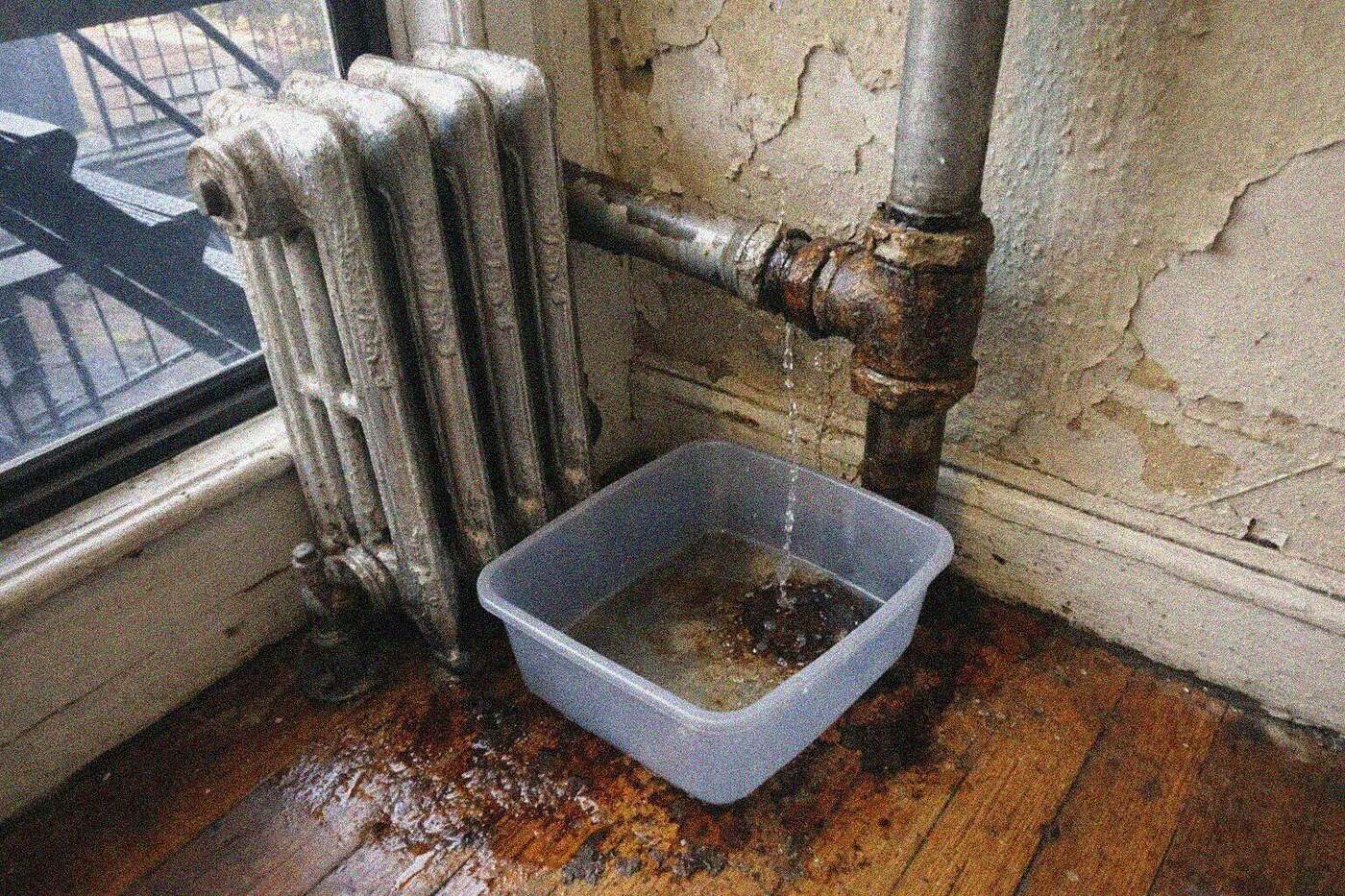
Water damage restoration in the Bronx is mostly a job in a large rental building. The Grand Concourse, University Heights, Mount Eden, Kingsbridge, Norwood and Pelham Parkway are lined with five- and six-story elevator buildings from the 1920s and 1930s, 40 to 80 apartments apiece, heated by steam from a boiler in the cellar through cast-iron risers and radiators that are as old as the building. When a radiator valve fails or a steam riser splits, the apartment gets hot water and vapor at once, and the plaster ceiling in the apartment below gets the rest.
The person who calls is usually a tenant, and the person who has to act is usually the landlord or the super. We help with both halves: getting the riser shut and the extraction started, and setting out in plain terms what the building owes a tenant under the Housing Maintenance Code, what a 311 complaint does, and what the contractor we dispatch can do once the owner or the managing agent authorizes it.
What Changes About Water Damage in The Bronx
Bronx water damage is heat-system damage more often than anywhere else. The borough's pre-war rental buildings run one-pipe or two-pipe steam, and the failure points are known: a radiator air vent that sticks and sprays, a supply valve packing that weeps onto parquet for a winter, a condensate return that rots through in the cellar, or a steam riser that hammers until a joint gives. Steam water is hot and carries rust and boiler treatment, so the stain on the ceiling below is brown and the plaster around it softens quickly. The same buildings carry the water risers behind the same walls, and 54 percent of the city's housing predates 1947, per the 2023 NYC Housing and Vacancy Survey, and the Grand Concourse corridor is one of the largest single concentrations of that era anywhere in the city.
Tenure decides how a Bronx job runs. Roughly two-thirds of the city's households rent, per the same survey, and the Bronx is a renter's borough, so most calls involve a tenant, a super and a managing agent rather than an owner-occupier. The landlord owes the tenant a habitable apartment under the warranty of habitability, an active leak reported to 311 is inspected by HPD, and Local Law 55 of 2018 requires the owner of any building with three or more units to inspect for mold when a leak violation is issued. Public housing is its own world: 7 percent of the city's rentals are NYCHA, per the survey, and NYCHA does its own repairs, with about 77,000 open mold and leak work orders reported in April 2024 according to the federal monitor's report as covered by City Limits.
Flooding is concentrated along the water and the old creek beds. Hunts Point, Soundview, Clason Point and Throgs Neck face the East River and Long Island Sound and took Sandy's surge in 2012; the low ground along the Bronx River and the Harlem River collects cloudburst runoff, and the Major Deegan and the Cross Bronx have both closed under standing water in recent storms. A FEMA count of National Flood Insurance Program claims puts the Bronx at 1,945 claims on record, the second lowest of the boroughs, because so much of the housing here is upper-floor apartments with no living space below grade.
What the Bronx has below grade is the boiler room, the compactor room, the laundry and the storage cages of those big buildings, and a cellar flood there takes out the heat and hot water for the whole building at once. Riverdale, Country Club, City Island and the private houses of the East Bronx are the exception to the apartment pattern, with detached and semi-detached houses, finished basements and the same street-drain exposure as Queens.
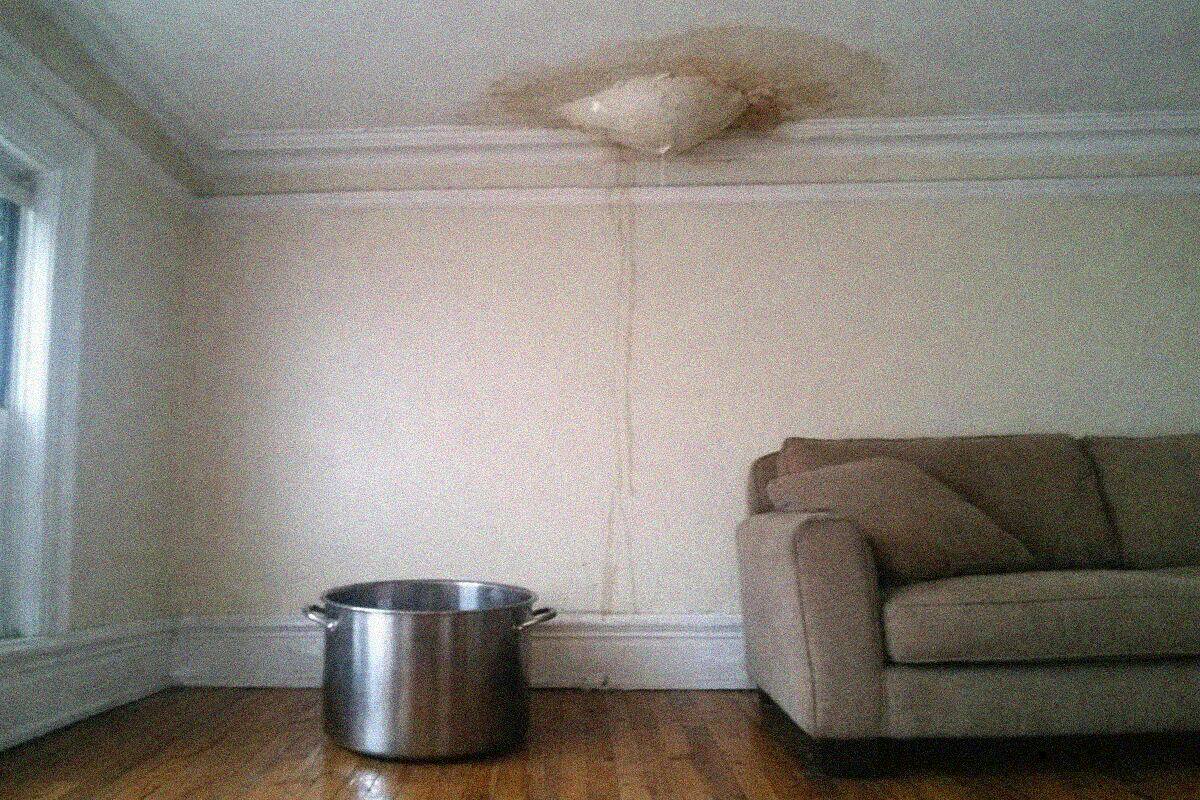
A plaster ceiling that has taken steam water is a safety problem before it is a cosmetic one. Plaster on lath holds several times its weight in water, bows, and drops in a slab that can weigh a hundred pounds or more, so the contractor we dispatch takes the loose section down in a controlled way and props what is left before drying starts. In a pre-1978 building the paint is presumed to contain lead until tested, and any contractor disturbing it should hold the EPA Lead-Safe Certified Firm credential and work under that rule, which matters in a borough where nearly every rental building is old enough to qualify.
Water Damage in The Bronx?
Give us the cross streets and what the water came from. If it is still running, the shutoff or the super comes first, then the call.
The phone is picked up 24 hours a day, seven days a week, on every holiday in the year.
The Work Itself in The Bronx
The sequence does not change from borough to borough. The wet area is mapped, standing water is extracted, whatever cannot be dried is removed, and the structure is dried against readings before anyone rebuilds. What changes in The Bronx is what the first visit tends to find, which is what the section above covers. The full process is set out on the water damage restoration page.
The services most often needed alongside it in The Bronx:
- Ceiling Leak Water Damage: the leak above and the plaster ceiling below is the standard Bronx call
- Burst and Frozen Pipe Water Damage: steam risers and radiator valves in 90-year-old buildings fail every winter
- Apartment and Co-op Water Damage: tenant, super and managing agent all have a part in a rental building leak
- Mold Remediation: Local Law 55 ties a leak violation to a mold inspection in buildings of three or more units
- Water Damage Repairs and Reconstruction: plaster, skim coat and lead-safe paint work put a pre-war apartment back
Neighboring boroughs have their own pages: Staten Island and Manhattan. Every borough is listed in the footer.
A typical Bronx call from a Grand Concourse rental building in January
The situation: a tenant on the fourth floor of a 1930s elevator building woke to a radiator valve spraying steam and hot water across a parquet living room, and the tenant below already had water coming through a light fixture. The super closed the riser, but the building's managing agent had no restoration contractor on call.
What gets done: the managing agent authorized the job by phone, and the contractor extracted the standing water in the fourth-floor apartment, lifted the wet parquet along the wall where it had already started to cup and set drying mats on the rest, dropped the loose plaster from the third-floor ceiling into a sheet, tested the paint for lead before disturbing any more of it, and set air movers and a dehumidifier in both apartments with readings taken and logged daily.
The result: both tenants had a written scope and a named contact, the managing agent had the moisture log and photographs the building's carrier asked for, the parquet in the fourth-floor apartment was saved apart from one row, and the plaster repair and the lead-safe repaint were scoped as a separate reconstruction with its own start date.
Questions From The Bronx
My landlord is not fixing a leak in my apartment. What can I do?
Report it to the super in writing first, then file a complaint with 311, which routes to HPD. An HPD inspector who finds an active leak issues a violation with a deadline, 30 days for a hazardous condition and 24 hours for one that is immediately hazardous, and a leak violation in a building of three or more units triggers a mold inspection under Local Law 55. The landlord owes you a habitable apartment; the contractor we dispatch works for whoever authorizes and pays for the job, which in a rental building is usually the owner.
A radiator leaked all winter and now the floor is black underneath. Is that mold?
Probably, and the size decides what happens next. Under New York State Labor Law Article 32, any mold job over ten square feet needs a licensed Mold Assessor to write the plan and a separate licensed Mold Remediation Contractor to do the work; the same company cannot do both on one property. Below ten square feet the contractor can clean it as part of the water damage job. Either way the leak has to be fixed by a Licensed Master Plumber before the drying means anything.
Does the Bronx flood?
Along the shore and the rivers, yes. Hunts Point, Soundview, Clason Point, Throgs Neck, City Island and the low ground beside the Bronx River and the Harlem River are where surge and cloudburst flooding land, and a FEMA count of National Flood Insurance Program claims puts the borough at 1,945 claims on record. Most Bronx housing is upper-floor apartments, so the more common cellar flood here is a boiler room or a laundry room in a large building.
How fast can someone get to a building in the Bronx?
A person answers the line at any hour, all year, and we begin on the phone: the riser shutoff, the managing agent's authorization, the certificate of insurance the building wants. Arrival depends on where the contractor is starting from and what the Deegan is doing, so we keep you informed instead of naming a time.
Water Damage Help in The Bronx
Tell us what has happened and we will arrange the response.
Answered day and night, weekends and holidays included.