Water Damage Restoration in Staten Island
Detached houses, finished basements, sump pumps and the East Shore, on the borough with more flood claims than any other.
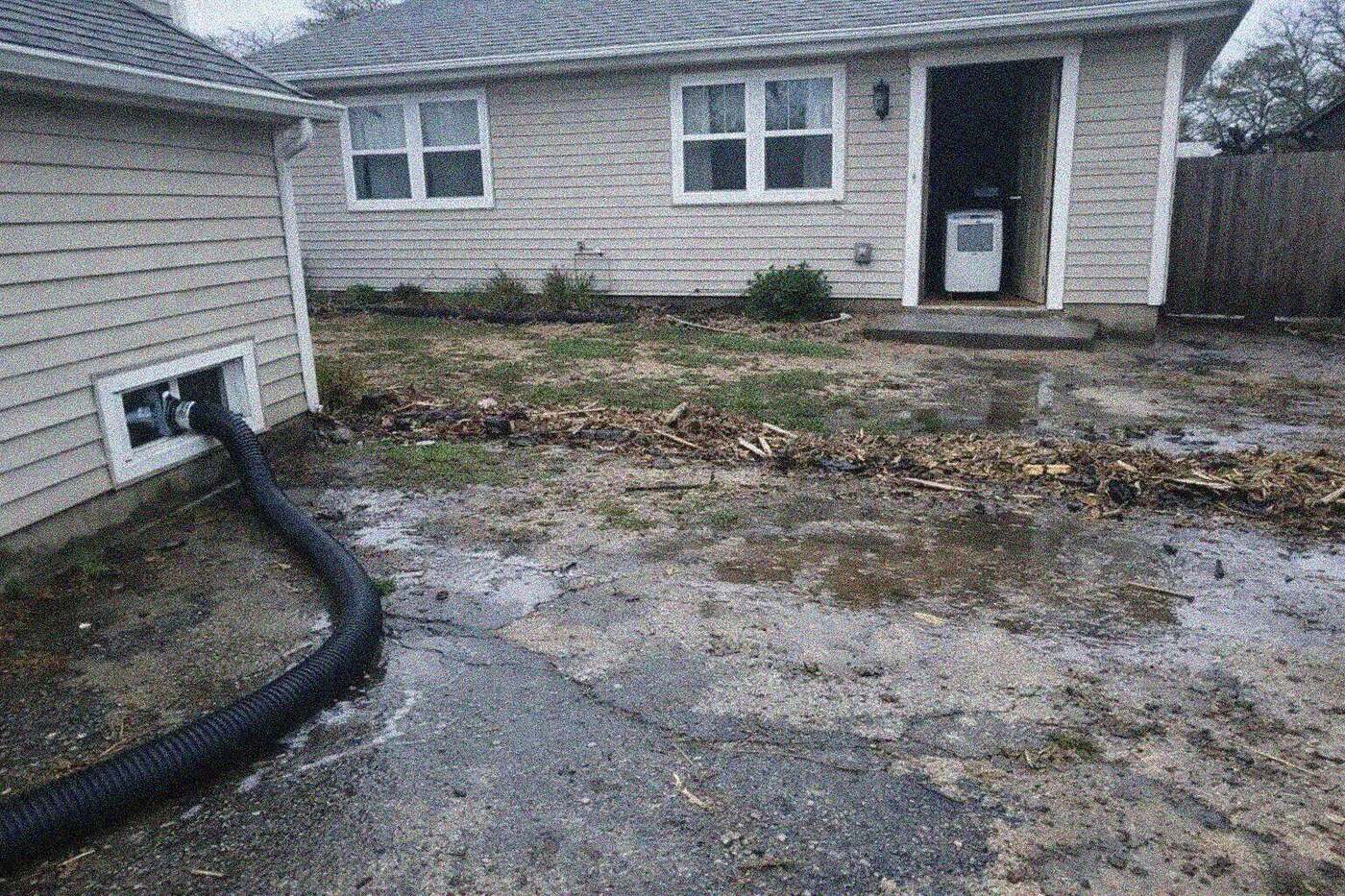
Water damage restoration on Staten Island looks more like the suburbs than like the rest of the city, and the numbers say so. A FEMA count of National Flood Insurance Program claims puts Staten Island at 19,419 claims on record, more than any other borough and more than Brooklyn, the Bronx and Manhattan combined, almost all of it from the low East Shore and South Shore neighborhoods that Sandy went through in 2012. The housing is detached and semi-detached one- and two-family houses with full basements, driveways and lawns, which means a sump pump, a hot water heater and a finished family room below grade on most calls.
Whoever we dispatch treats a Staten Island job as a house job. There is usually no board and no super, the owner is the decision maker, and the questions are the ones a homeowner anywhere would ask: is the water clean, what has to come out, what will the insurer want to see, and how long until the basement is dry. We answer what we can on the phone and get the contractor moving with a clear picture of what is in the basement.
What Changes About Water Damage in Staten Island
Staten Island water damage is a basement problem in a house that stands on its own. Census Bureau American Community Survey estimates give the borough the largest share of detached single-family houses of any in the city, and a typical one in New Dorp, Great Kills, Eltingville, Annadale, Tottenville or Westerleigh has a full basement with a sump pit, a boiler or furnace, a water heater and laundry at one end and a finished room at the other. The Comptroller's 2022 count of 424,800 basements and cellars in one- to three-family homes citywide includes a large Staten Island share, and the water here reaches them through the sump, through the foundation walls, through window wells and through the sewer.
The East Shore is the flood story. Midland Beach, New Dorp Beach, Oakwood Beach, Ocean Breeze and South Beach sit on low ground behind the boardwalk and the Lower Bay, and Sandy put a surge through those streets in October 2012 that reached the second floor of some houses and left whole blocks in Oakwood Beach empty afterward. Great Kills, Annadale and Tottenville along the South Shore, and the Kill Van Kull side around Port Richmond and Mariners Harbor, carry their own coastal exposure. Surge remains the working assumption on any address near the water, and FloodHelpNY shows the current zone for a specific house.
Away from the shore, the water comes from rain and from the ground. Staten Island's hills shed cloudburst runoff toward the flats, the Bluebelt system of streams and ponds takes some of it, and streets in Travis, Bulls Head and New Springville have flooded from storm drains that cannot keep up. A high water table in the lowlands pushes groundwater against basement walls and up through the slab for days after a storm, which is why so many Staten Island houses run a sump pump full time and why a pump that fails in a power cut is the borough's most common single cause of a flooded basement.
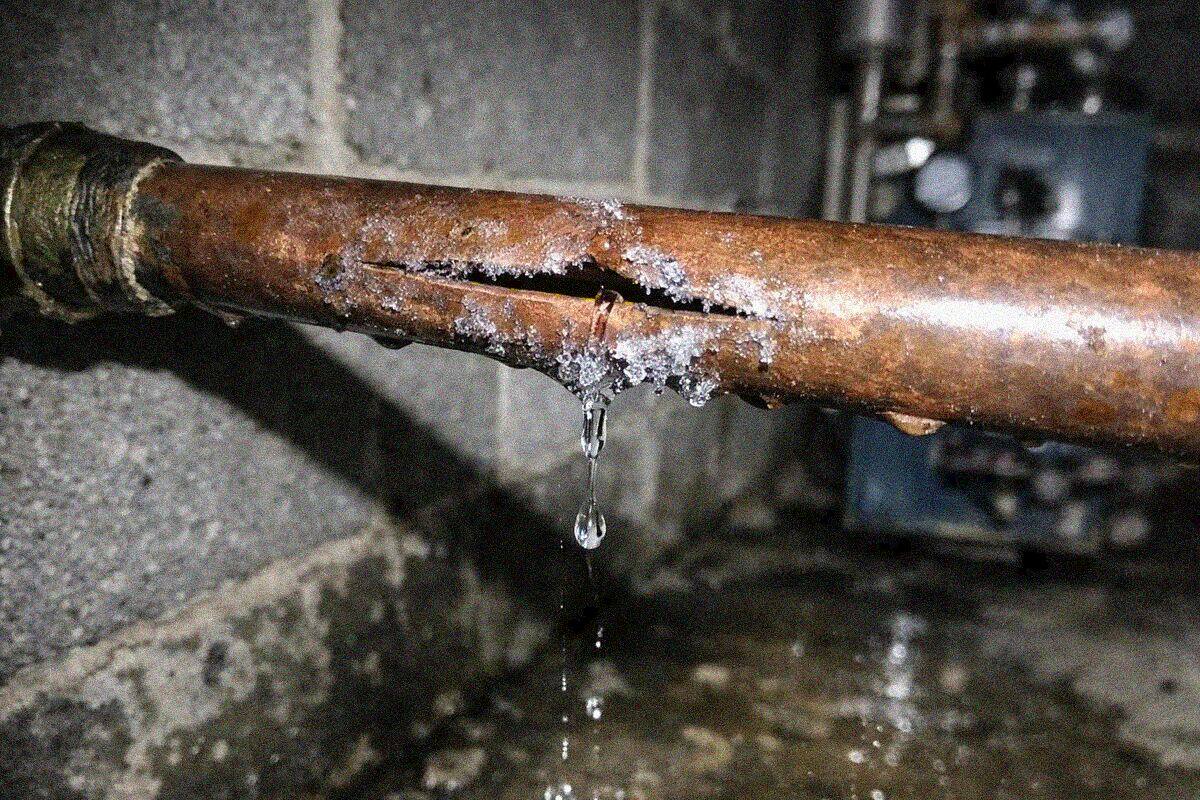
Sewer backup is the other route in. DEP resolved 2,851 sewer backup complaints citywide in fiscal 2024, per the Mayor's Management Report, and Staten Island houses on the older combined system in the North Shore neighborhoods get their share through the basement floor drain. Property owners own and maintain the house sewer out to the main, per DEP, and a backwater valve fitted by a Licensed Master Plumber is the usual answer. Freeze damage is the winter version of all this: exterior-wall supply lines to a hose bib or a garage bathroom split in a cold snap, and the water runs into the basement below until someone notices.
A Staten Island basement holds the systems the house runs on, so the drying has to start with those. A boiler or furnace that has stood in water needs a heating contractor's sign-off before it is fired, a water heater that has been submerged is usually replaced, and the electrical panel is often on the same wall. The contractor we dispatch pumps the water out, separates the mechanical end from the finished end, removes what the IICRC S500 standard says cannot be dried after contaminated water, and logs readings daily until the slab and the framing are back to a dry standard. Where the cause was a sump pump, a battery backup or a second pump goes on the list before the finishes go back.
Water Damage in Staten Island?
Give us the cross streets and what the water came from. If it is still running, the shutoff or the super comes first, then the call.
The phone is picked up 24 hours a day, seven days a week, on every holiday in the year.
The Work Itself in Staten Island
The sequence does not change from borough to borough. The wet area is mapped, standing water is extracted, whatever cannot be dried is removed, and the structure is dried against readings before anyone rebuilds. What changes in Staten Island is what the first visit tends to find, which is what the section above covers. The full process is set out on the water damage restoration page.
The services most often needed alongside it in Staten Island:
- Basement and Cellar Flooding: nearly every Staten Island house has a full basement with a sump and a finished room
- Storm and Flood Damage Cleanup: the East Shore and South Shore carry the most flood claims of any borough
- Sewage Backup Cleanup: North Shore houses on the combined sewer get backflow through the basement drain
- Burst and Frozen Pipe Water Damage: exterior-wall lines and garage plumbing freeze in a detached house
- Structural Drying and Dehumidification: a wet basement with framing against the foundation dries slowly and needs readings to prove it
Neighboring boroughs have their own pages: Manhattan and Brooklyn. Every borough is listed in the footer.
A typical Staten Island call from a Midland Beach house after a nor'easter
The situation: a detached two-story house four blocks from the boardwalk, with a finished basement, a sump pump and a furnace below grade. An overnight nor'easter brought a high tide and hours of rain, the power went out, the sump stopped, and by morning there were eight inches of water across the basement floor with the furnace and the water heater standing in it.
What gets done: the contractor pumped the basement out, had the owner hold off on power to the basement until an electrician had looked at the panel, treated the water as contaminated because groundwater and street runoff had mixed, removed the carpet, the pad and the lower drywall, pulled the wet insulation from the framed walls against the foundation, disinfected the slab and set air movers and a dehumidifier with daily readings, and put a battery backup sump on the repair list.
The result: the owner had photographs and a written scope for a flood insurance claim on the day the water came out, the furnace was inspected before anyone tried to restart it, and the basement finished drying on paper with a moisture log before the reconstruction estimate was written.
Questions From Staten Island
My sump pump failed and the basement flooded. Will insurance cover it?
Groundwater and a failed sump are usually excluded from a standard homeowner policy unless a water backup and sump overflow endorsement was added, and DEP's own guidance notes that most homeowner policies exclude flood and sewer backup. A separate National Flood Insurance Program policy covers surface flooding, which is why Staten Island holds more NFIP claims than any other borough. A burst pipe inside the house is a different matter and is generally covered. Read the declarations page before the storm season, and add the endorsement if it is missing.
Which parts of Staten Island are at the most flood risk?
The East Shore neighborhoods behind the boardwalk, Midland Beach, New Dorp Beach, Oakwood Beach, Ocean Breeze and South Beach, are the most exposed to coastal surge, and the South Shore from Great Kills to Tottenville and the North Shore along the Kill Van Kull carry coastal risk as well. Inland, the low ground around the Bluebelt streams and the storm drains in Travis and New Springville flood from cloudbursts. FloodHelpNY and the city's stormwater flood map show the risk for a specific address.
Can a furnace or water heater that stood in water be saved?
A water heater that has been submerged is usually replaced, because the burner, the controls and the insulation are all compromised. A furnace or boiler depends on how high the water got; a heating contractor has to inspect it and sign it off before it is fired. The contractor we dispatch documents the water line on every piece of equipment for the insurer and keeps the power off in the basement until an electrician has looked at the panel.
How long before someone can get to my house on Staten Island?
Someone answers the phone 24 hours a day, every day, and the visit is arranged on that call. Staten Island is at the end of the bridge for most contractors, and a storm that floods the East Shore floods a lot of houses at once, so we tell you where you stand in the queue rather than promising an hour.
Water Damage Help in Staten Island
Tell us what has happened and we will arrange the response.
Answered day and night, weekends and holidays included.