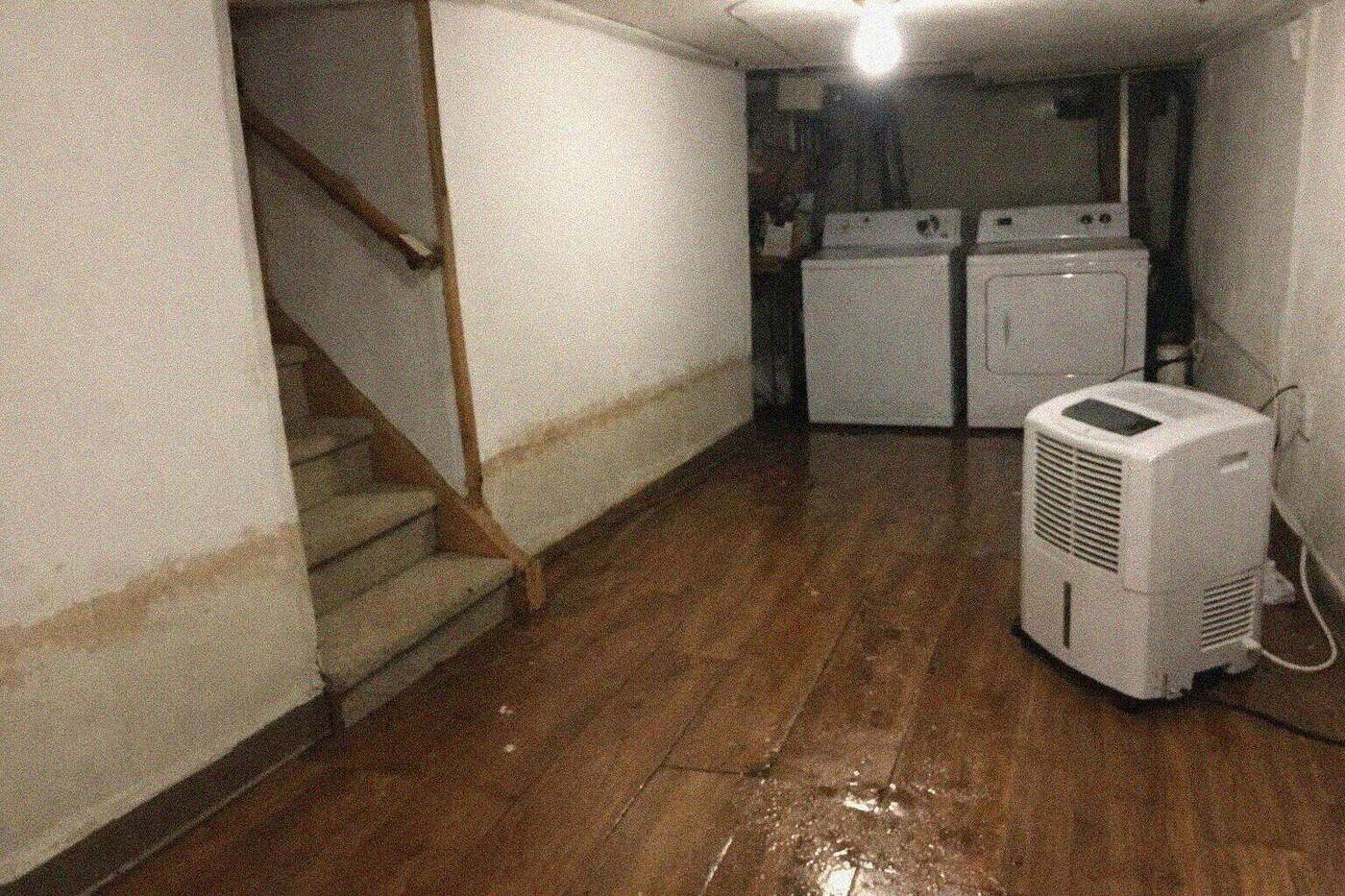
Water Damage Restoration in Brooklyn
Brownstone cellars, garden-level apartments and the sidewalk hatch that lets the storm in, dried with a written scope first.
Water damage restoration in Brooklyn starts, more often than in any other borough, in a cellar. The borough's signature housing is the attached row house and the brownstone, three or four stories over a below-grade floor that was built as a coal cellar and a kitchen and now holds a finished family room, a rental unit or the boiler and the washing machine. Water reaches that floor from the street through the sidewalk hatch and the areaway, from the sewer through a floor drain when the combined system surcharges, and from the house's own plumbing dropping through the joists above.
Whoever attends handles the cellar as a cellar. Under the city's definitions, a floor more than half below curb level is a cellar and has different rules from a basement, and a wet one needs pumping, a check on whether the water is sewage or rain, and a decision on which finishes are worth drying before anyone plugs in a fan. We work out what came in and where from on the first call, so the contractor arrives with the right pump, the right containment and the right expectations.
What Changes About Water Damage in Brooklyn
Brooklyn water damage is shaped by the row house and by what sits under it. Brownstones in Park Slope, Bedford-Stuyvesant, Fort Greene, Clinton Hill and Crown Heights, and the brick and limestone rows of Sunset Park, Bay Ridge, Bushwick and Flatbush, share a plan: a stoop up to the parlor floor, a garden-level apartment at grade, and a cellar under the whole footprint reached by an interior stair and often a sidewalk hatch. The New York City Comptroller counted 424,800 basements and cellars in one- to three-family homes across the city in 2022 and put 43,000 of them at flood risk now, and a large share of that inventory is Brooklyn row-house stock.
The way water gets in is specific to that plan. Sidewalk cellar doors and areaways collect street runoff and drop it straight down the stair; DEP's own flood checklist names below-grade openings such as exterior stairs as the classic route. The floor drain and the laundry sink in a cellar are connected to the house trap and the house sewer, and when the combined sewer on the street surcharges in a heavy rain, the cellar is the lowest fixture on the block and gets the backflow. DEP resolved 2,851 sewer backup complaints citywide in fiscal 2024, up from 2,164 the year before, per the Mayor's Management Report, and that year was a wet one.
The flood-prone neighborhoods are the low ones. Red Hook and Gowanus sit on filled tidal marsh at the edge of the harbor and the canal, and Sandy put the harbor into Red Hook's streets and cellars in 2012. Canarsie and East New York drain slowly toward Jamaica Bay and flood from cloudbursts as well as from surge. A FEMA count of National Flood Insurance Program claims puts Brooklyn at 6,304 claims on record, the third highest of the five boroughs, and most of those addresses cluster in exactly those neighborhoods plus Coney Island, Sheepshead Bay and Gerritsen Beach along the southern shore.
Above the cellar, the row house behaves like a small pre-war apartment building. Two or three units share one set of risers and one waste stack, ceilings are plaster on lath in anything built before the war, and a bathroom overflow on the top floor arrives in the garden apartment by way of the parlor-floor ceiling. Landlord-tenant rules apply in a two- or three-family house exactly as they do in a large building: the owner is responsible for the habitability of the rented units, and a tenant with a wet ceiling that nobody is fixing can go to 311 and HPD. Where the owner lives upstairs, that conversation usually happens on the stoop.
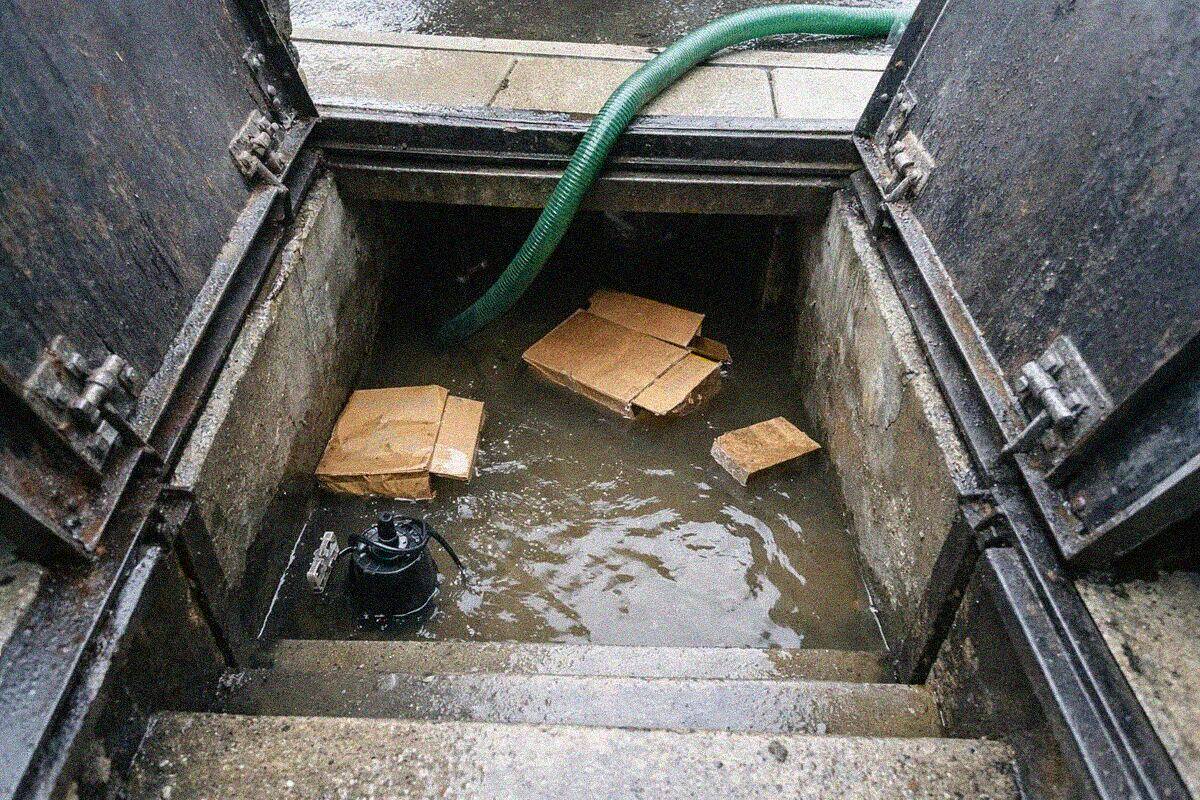
A finished cellar in Brooklyn raises the drying stakes. Carpet over a slab, framed and insulated walls against the foundation, and a drop ceiling with wiring above it all hold water against surfaces that have no other way to dry, and a garden-level or cellar apartment may be someone's home. The contractor we dispatch takes readings behind the finished walls before deciding what stays, and where the water was sewage the porous material comes out under the IICRC S500 rules for Category 3 water. A backwater valve on the house sewer, fitted by a Licensed Master Plumber, is the repair that stops the next one.
Water Damage in Brooklyn?
Give us the cross streets and what the water came from. If it is still running, the shutoff or the super comes first, then the call.
The phone is picked up 24 hours a day, seven days a week, on every holiday in the year.
The Work Itself in Brooklyn
The sequence does not change from borough to borough. The wet area is mapped, standing water is extracted, whatever cannot be dried is removed, and the structure is dried against readings before anyone rebuilds. What changes in Brooklyn is what the first visit tends to find, which is what the section above covers. The full process is set out on the water damage restoration page.
The services most often needed alongside it in Brooklyn:
- Basement and Cellar Flooding: nearly every Brooklyn row house has a cellar, and the cellar is where the water ends up
- Sewage Backup Cleanup: the cellar floor drain is the lowest fixture on the block when the combined sewer surcharges
- Storm and Flood Damage Cleanup: Red Hook, Gowanus, Canarsie and East New York flood from cloudbursts and from the harbor
- Structural Drying and Dehumidification: finished cellar walls and carpet over slab hold water with nowhere for it to go
- Water Damage Repairs and Reconstruction: a garden-level apartment has to be put back for the tenant living in it
Neighboring boroughs have their own pages: Queens and The Bronx. Every borough is listed in the footer.
A typical Brooklyn call from a Canarsie row house after a summer cloudburst
The situation: two inches of rain in an hour put six inches of water in the finished cellar of an attached brick house, coming up through the floor drain and down the exterior stair at the same time. The owner had a tenant in the cellar apartment, a boiler at one end and a carpeted family room at the other, and could not tell whether the water was rain or sewer.
What gets done: the contractor pumped the cellar out, tested and treated the water as Category 3 because the floor drain had surcharged, removed the carpet, the pad and the bottom two feet of drywall along the foundation walls, disinfected the slab and set air movers and a dehumidifier with the readings logged each day. The owner was walked through the DEP sewer backup report process and given the name of a Licensed Master Plumber for a backwater valve.
The result: the tenant had a dry, sanitized unit to return to with the rebuild scope in writing, the owner had a moisture log and photographs for the insurer and a clear line between what the mitigation covered and what the reconstruction would cost, and the valve went in before the next storm.
Questions From Brooklyn
My cellar floods every heavy rain. What can be done about it?
The fix depends on where the water is coming in. Water arriving down the sidewalk hatch or the areaway needs a raised curb, a sealed hatch or a drain at the foot of the stair. Water rising through the floor drain is the combined sewer surcharging, and the answer is a backwater valve on the house sewer, which DEP advises fitting in consultation with a plumber and which a Licensed Master Plumber installs. Water seeping through the foundation walls after a storm points to grading and downspouts outside. The contractor we dispatch documents which of the three it was, since that decides the repair.
Is a cellar apartment covered by my homeowner's policy if it floods?
Usually not for rain or sewer water. DEP's own guidance says most homeowner policies exclude flood and sewer backup unless a rider or a separate National Flood Insurance Program policy is in place, while a burst pipe inside the house is generally covered. Check the policy before the storm season rather than after, and ask about a sewer backup endorsement, which is inexpensive relative to what a Category 3 cleanup costs.
The tenant in my garden apartment has water coming through the ceiling. Who is responsible?
You are, as the owner, for making the apartment habitable, whatever caused the leak. Get the water stopped, get the ceiling dried and repaired, and sort out the cost afterward with your insurer or with whoever was at fault. A tenant whose leak is ignored can file with 311, and an HPD inspector who finds an active leak issues a violation with a deadline to correct it.
How quickly can someone reach a Brooklyn address?
The line is answered around the clock, including nights, weekends and holidays, and we begin arranging the visit on that first call. We do not promise arrival times, because the Belt Parkway and the BQE do not keep promises either; what we do is keep you told of where things stand.
Water Damage Help in Brooklyn
Tell us what has happened and we will arrange the response.
Answered day and night, weekends and holidays included.