Water Damage Restoration in Manhattan
Riser breaks, steam leaks and the apartment upstairs, handled with the board, the super and the doorman in the loop.
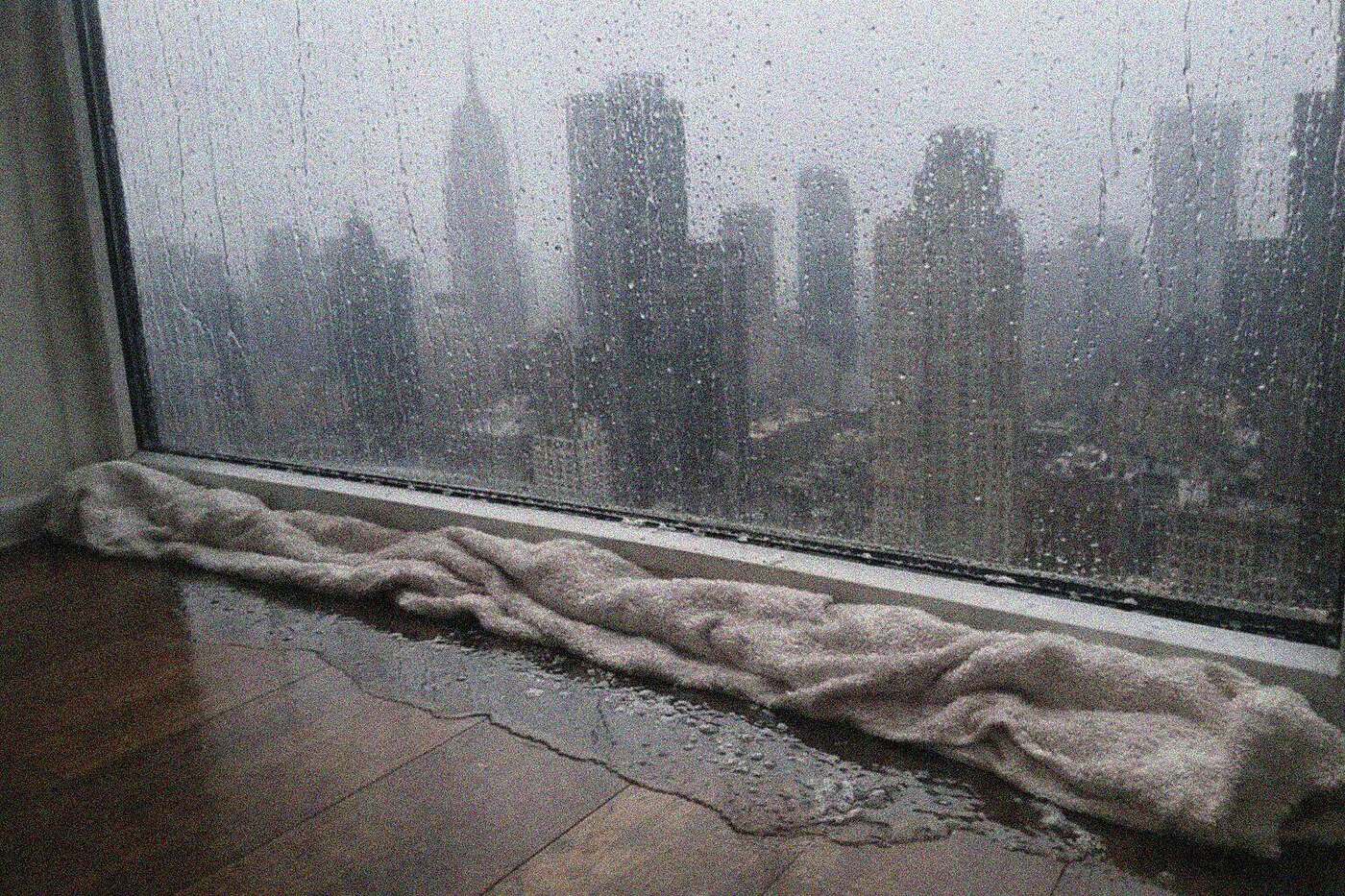
Water damage restoration in Manhattan is mostly a job about other people's apartments. The water that soaks a ceiling on the ninth floor started in a bathroom on the twelfth, ran down a riser chase that serves the whole line, and will keep going to the eighth floor and the seventh unless someone shuts the valve and gets the extraction started. The call is usually made by whoever noticed it first, which is often the person furthest from the cause.
Whoever we dispatch has to work inside that building's rules. A doorman building wants a certificate of insurance on file before a dolly of equipment comes through the lobby, the freight elevator has hours, the super holds the keys to the riser shutoffs, and the board decides who pays for what under the proprietary lease. We sort the access and the paperwork while the contractor is on the way, so the first hour on site goes on the water.
What Changes About Water Damage in Manhattan
Manhattan water damage runs downward through a stack of apartments, because so much of the borough lives in tall buildings on a shared set of pipes. The 2023 NYC Housing and Vacancy Survey, as published by the Citizens Housing and Planning Council, puts 62 percent of the city's homes in buildings of six or more units and over half in buildings of 20 or more, and Manhattan is where the tallest of those buildings stand. One supply riser or one waste stack serves every apartment on a line from the roof tank down to the cellar, so an overflow on a high floor turns into a ceiling stain, then a bubbling paint film, then a drip, in each unit below it in turn.
The pre-war stock adds its own material problems. About 54 percent of all city housing was built before 1947, per the same survey, and much of it stands in Manhattan: the Upper West Side and Upper East Side avenue buildings, Washington Heights and Inwood six-story elevator buildings, the tenements of the Lower East Side and East Harlem, the Village walk-ups. Behind the plaster in those buildings sit galvanized steel and cast-iron risers that are 80 to 110 years old, and the ceilings are plaster on wood or metal lath, which soaks up water, gets heavy, bows and then lets go in a sheet. A drywall ceiling drips; a lath ceiling comes down.
Con Edison steam is a hazard the other four boroughs do not have. The utility's district steam system serves Manhattan from the Battery to 96th Street, according to Con Edison, and a great many older buildings in that zone heat off it. A failed trap, a split condensate line or a building-side steam leak produces hot, mineral-laden water and a lot of vapor at once, so the damage includes scalded paint, lifted parquet and saturated plaster in a room that was dry an hour earlier. Above 96th Street and in buildings with their own boilers, the equivalent is a boiler-room flood or a radiator valve that let go over a weekend.
Flood exposure sits at the edges of the island. The Lower East Side, Two Bridges and Battery Park City were among the neighborhoods where Sandy pushed water into cellars and mechanical rooms in 2012, and a FEMA count of National Flood Insurance Program claims puts Manhattan at 1,493 claims on record, far below the outer boroughs because so little of the housing here has a below-grade living floor. What Manhattan does have below grade is switchgear, boilers, elevator pits and storage cages, so a coastal or cloudburst flood here tends to become a building-wide outage and a contents job for the cellar storage room rather than a wet living room.
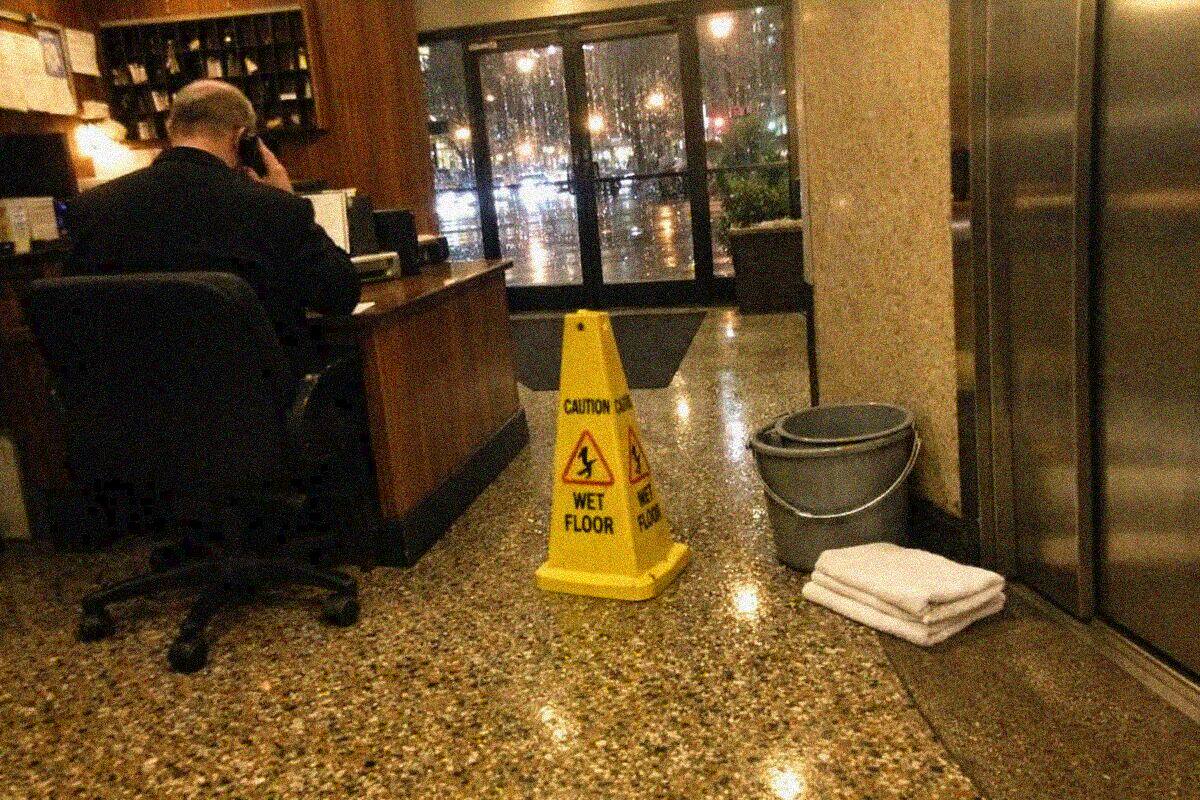
Board and management logistics shape every Manhattan job. Co-op and condo boards want a certificate of insurance naming the building, an equipment list and an access plan before anything is wheeled in, and many buildings restrict noisy work to weekday hours and route all equipment through the service entrance. Drying an apartment properly often means opening a wall in the neighboring unit too, and that is a negotiation with the shareholder next door and the managing agent as much as a technical decision. We start those conversations on the first call so the contractor is not standing in a hallway waiting for a key.
Water Damage in Manhattan?
Give us the cross streets and what the water came from. If it is still running, the shutoff or the super comes first, then the call.
The phone is picked up 24 hours a day, seven days a week, on every holiday in the year.
The Work Itself in Manhattan
The sequence does not change from borough to borough. The wet area is mapped, standing water is extracted, whatever cannot be dried is removed, and the structure is dried against readings before anyone rebuilds. What changes in Manhattan is what the first visit tends to find, which is what the section above covers. The full process is set out on the water damage restoration page.
The services most often needed alongside it in Manhattan:
- Ceiling Leak Water Damage: the most common Manhattan call is water from the apartment above, through a plaster ceiling
- Burst and Frozen Pipe Water Damage: pre-war galvanized and cast-iron risers behind plaster fail without warning
- Apartment and Co-op Water Damage: who pays under a proprietary lease or condo declaration decides how the job is run
- Emergency Water Extraction: a riser break keeps running through the stack until the water is out and the valve is closed
- Contents Pack-Out and Storage: Manhattan apartments have nowhere to put wet furniture, so contents go to off-site storage
Neighboring boroughs have their own pages: Brooklyn and Queens. Every borough is listed in the footer.
A typical Manhattan call from an Upper West Side pre-war co-op
The situation: a shareholder on the sixth floor of a 1920s elevator building came home to water dripping from a ceiling light and a bulge in the plaster the size of a dinner plate. The cause was a failed supply line under the bathroom sink on the ninth floor, in an apartment whose owner was away, and by the time the super found the shutoff the seventh and eighth floors were wet as well.
What gets done: the super was asked to close the riser and open the empty apartment, the managing agent was sent a certificate of insurance and an equipment list so the freight elevator could be booked, and the contractor extracted the standing water on nine, then worked down the line with a moisture meter, marking the wet plaster in each unit and setting air movers and a dehumidifier in each, with the bulged section of ceiling on six dropped in a controlled way rather than left to fall.
The result: every affected shareholder had a written scope and a moisture reading on day one, the board had the paperwork it needed to pass to the building's carrier and to the ninth-floor owner's HO-6 carrier, and the drying finished on paper before anyone started plastering.
Questions From Manhattan
The leak came from the apartment above me. Who do I call first?
Call the super or the doorman first so the riser or the apartment shutoff gets closed, then call us to get extraction and drying moving. In a co-op, the corporation is the landlord in law, so the building is responsible for getting your apartment made habitable even when a neighbor caused the leak; the co-op then pursues that shareholder or their insurer. In a condo, the declaration draws the line between your unit and the common elements. In a rental, the landlord owes you a habitable apartment, and if the super does not act you can file a 311 complaint that HPD will inspect.
Does the co-op board have to approve the contractor before work starts?
In most Manhattan buildings the board or the managing agent has to have a certificate of insurance, an equipment list and an access plan on file before equipment moves in, and some buildings insist on their own approved vendor for anything touching common pipes. We send the certificate the contractor carries and the equipment list to the managing agent as soon as we have the building's name, so approval is not the thing holding the job up.
What is different about a Con Ed steam leak?
The water is hot and carries dissolved minerals, and it arrives with a large volume of vapor, so a steam leak saturates plaster, lifts parquet and peels paint across a whole floor of a building in a short time. Con Edison handles the street mains and the building side up to the service valve; a Licensed Master Plumber handles the building's own steam piping and traps; the contractor we dispatch dries and repairs what got wet. The steam district runs from the Battery to 96th Street, so this is a Lower and Midtown Manhattan problem.
How fast can someone get to my building in Manhattan?
A person answers the line 24 hours a day, every day of the year, and we start arranging access, the certificate of insurance and the shutoff while the contractor is on the road. Manhattan traffic, freight elevator hours and alternate-side parking decide the rest, so we tell you what we know as we know it instead of promising a clock time.
Water Damage Help in Manhattan
Tell us what has happened and we will arrange the response.
Answered day and night, weekends and holidays included.